<!DOCTYPE html>
The Financial Benefits of Seasonal Altitude Tuning for Sandy Cooling Units
The Financial Benefits of Seasonal Altitude Tuning for Sandy Cooling Units
Sandy sits on the Wasatch Front at over 4,400 feet. The air is dry and thinner than sea level. Summer days heat fast, and canyon winds carry granite dust from Little Cottonwood Canyon. These factors change how cooling equipment behaves. They also change how it should be maintained and tuned if the goal is lower energy bills and fewer breakdowns.
Altitude tuning is a focused form of AC maintenance in Sandy, UT. It aligns airflow, refrigerant balance, and electrical performance with high-elevation physics and a gritty, arid environment. The payoff is direct. Power draw drops. Components run cooler. Runtime shortens. Breakdowns become rarer. For homes near Dimple Dell, Hidden Valley, Alta View, and Sandy City Center, this is not a luxury task. It is a practical way to protect comfort and cash flow before July heat hits State Street and the east bench.
Why Altitude Changes the Economics of Cooling
At 4,400 to 4,900 feet, air density falls by roughly 15 percent compared to sea level. Fans move less mass airflow at a given speed. Condensers reject less heat per revolution. Compressors see different head pressures in thin air. All of this affects capacity and efficiency. When an AC system in Sandy runs with sea level assumptions baked into its setup, it works harder than it should. That means higher Rocky Mountain Power bills and shorter equipment life.
The fix is not a single setting. It is a linked set of checks. Set blower CFM per ton for thin air. Verify refrigerant charge against altitude-corrected subcool and superheat targets. Confirm capacitor values so the compressor and fan motors hold torque during heat spikes. Clean condenser fins so air can do more work per watt. Seal gaps that pull in Wasatch dust. Each step shaves waste. The combined gain is meaningful through a Sandy summer.
AC Maintenance Sandy, UT | Precision HVAC Tune-Ups That Pay Back
Western Heating, Air & Plumbing services Sandy zip codes 84070, 84090, 84091, 84092, 84093, and 84094. Crews service estates near Little Cottonwood Canyon and commercial sites along the State Street corridor. The team works on Lennox, Carrier, Trane, Rheem, Goodman, Bryant, York, and Mitsubishi mini-splits. Technicians carry NATE certification, RMGA credentials for gas systems, and EPA Section 608 licensing for refrigerant handling. This matters. Correct readings and adjustments require training and the right instruments.
A seasonal HVAC tune-up for Sandy includes a multi-point precision inspection. The tasks address altitude, dust, and dryness specifically. Work also covers 2026 SEER2 compliance checks, and warranty validation steps that major brands require. The result is steady capacity even when granite dust and heatwaves try to gang up on your system.
The Physics That Drive Cost in a High-Desert Mountain City
Airflow and Static Pressure
Cooling efficiency hinges on airflow across the evaporator coil. For most systems, 350 to 400 CFM per ton is the target at standard density. In Sandy’s thin air, the fan must often run a higher speed tap to move the same mass airflow. The correct choice depends on duct static pressure and filter resistance. A tech measures total external static pressure, compares it to blower tables, then selects the speed that hits the CFM target in thin air. Miss this step and return air gets too cold, coil temperature plunges, and the system risks frost and short cycling. Runtime increases. Utility costs climb.
Refrigerant Balance in Thin Air
Refrigerant pressures at altitude differ. A proper tune verifies charge using superheat and subcool readings, not pressure alone. With a TXV metering device, subcool is the main target. With a fixed orifice, superheat takes priority. The tech inputs indoor wet bulb, outdoor dry bulb, and altitude to pick the correct targets. A few ounces off can drop capacity by several percent, which the meter and your comfort will notice during a Sandy heat dome.
Heat Rejection and Dirty Fins
Wasatch dust packs into condenser fins. Granite particulates bend edges and fill channels. Air must pass these fins to shed heat. When fins clog, head pressure rises. Amp draw climbs. Compressors run hot. Power bills creep up week by week. A precision coil power washing, performed with the correct fin-safe angle and pressure, restores surface area and airflow. It also eases stress on contactors and capacitors, which overheat under chronic high head conditions.
Electrical Stability Under Temperature Swings
Sandy days swing from cool mornings to hot afternoons. That constant ramping stresses start components. Weak capacitors lose microfarads. A 45 plus 5 capacitor that measures 38 plus 3 will still start the unit, but torque is lower and the motor heats more at each cycle. Heat shortens winding life and can trip breakers. Amp draw testing and capacitor testing during tune-ups prevent that slow slide and protect compressors, fan motors, and breakers when the July rush hits.
Seasonal Altitude Tuning: What Happens During a Sandy-Focused Visit
A NATE-certified technician arrives with a plan shaped by the Wasatch Front. The steps protect capacity and reduce electrical waste. The visit starts with safety, then moves to airflow and charge, then to cleaning and electronics. For dual fuel systems, the tech also confirms gas-side safety with an RMGA-standard heat exchanger check and verifies the changeover temperature that dictates when the heat pump hands off to gas.
The process revolves around four anchors. First, confirm airflow with static pressure and blower tap selection. Second, set charge using superheat and subcool corrected for altitude. Third, control heat with clean condenser coils and a straight fin field. Fourth, stabilize starts and cycles with verified capacitors, contactors, and relays. That is how you turn Sandy’s high-desert environment from a risk into a manageable variable.
How This Lowers Rocky Mountain Power Bills
Electricity charges add up during long cooling cycles. The bill reflects watts and hours. Altitude tuning reduces both. Correct airflow removes BTUs faster. The compressor runs fewer minutes per cycle. Clean fins shed heat with fewer watts. Proper charge keeps coil temperature and head pressure in the sweet spot, which trims amps on the compressor. The total effect can reduce cooling costs by a meaningful margin through the season.
Results vary by home and system age. In Sandy homes with visible dust on fins and borderline capacitors, power consumption during peak weeks can often fall by 8 to 15 percent after a full tune and clean. In newer systems that already run near spec, the gain might be in the 3 to 7 percent range. Either way, the change is measurable on a logger and on the bill. For a home with $150 to $250 monthly cooling costs in July and August, the savings often offset a large share of the annual service cost in one season.
Real-World Numbers From Local Service Calls
A two-story home near Hidden Valley had a five-ton split system with a Lennox condenser and TXV coil. Static pressure was 0.9 inches water column with a 1-inch pleated filter. The blower was on a medium speed tap. Airflow at altitude was under target by roughly 15 percent. The tech moved the blower to a higher speed tap and replaced a clogged filter with a media cabinet upgrade. Subcool was also low by 4 degrees due to a slight undercharge. After charge correction and a coil power wash, head pressure fell by 30 to 40 psi on a 95-degree day. The homeowner reported shorter cycles and cooler upstairs rooms. The meter data showed roughly 12 percent lower kWh over the next two hot weeks compared to the prior hot stretch.
A ranch-style home near Dimple Dell had a 3-ton Carrier with a 45 plus 5 capacitor that tested 35 plus 2. The condenser coil was impacted by canyon dust. The unit had frequent short cycling in the late afternoon. The tune included a new capacitor, fin combing, and a careful power wash. Short cycling stopped, and the breaker stopped tripping. The homeowner avoided a compressor replacement that a different contractor had suggested as likely. The repair and tune cost a fraction of a new compressor and protected summer comfort.
Mini-Splits and High-Altitude Considerations in Sandy
Mitsubishi and other mini-splits run variable speed compressors and fans. They react to load changes in fine steps. At altitude, the logic still depends on clean coils, correct wall head filters, and clear condensate drains. Dirty outdoor coils push the inverter to higher frequencies. That raises watt draw, even if the room feels fine. A seasonal inspection and wash return the inverter to lower frequency operation for the same duty, which cuts energy use. Charge checks on mini-splits require careful mass charge verification or proprietary diagnostics. A technician trained on these systems avoids guesswork and keeps the warranty valid.
Dual Fuel in Sandy: Changeover Strategy That Saves Money
Hybrid systems combine a heat pump with a gas furnace. In Sandy, shoulder seasons swing between cool nights and warm afternoons. An efficient setup uses the heat pump above a set outdoor temperature, then hands off to gas when the heat pump loses advantage. An RMGA and NATE-certified tech will test the changeover temperature, confirm outdoor sensor accuracy, and verify that the gas side runs with safe combustion and a sound heat exchanger. This keeps comfort stable on the east bench and controls utility spend across fuels.
Maintenance Tasks That Matter Most in Sandy
Certain tasks carry more weight in a high-desert, high-altitude city. Condenser coil power washing is near the top due to Wasatch dust. Evaporator coil inspection is key because low humidity can hide coil frost events that flash off quickly, which still stresses the system. Refrigerant charge verification using R-410A targets closes the performance gap that altitude creates. Blower motor lubrication helps when bearings dry in arid air. Amp draw testing confirms motors and compressors run within nameplate ranges. Together, the work prevents premature capacitor failure, short cycling, and rising summer utility bills.
Warranty, SEER2, and Documentation That Protects Value
Most major brands including Lennox, Trane, Carrier, Rheem, Goodman, Bryant, York, and Mitsubishi require professional annual maintenance to retain parts warranty status. Western Heating, Air & Plumbing provides digital reports with photos, readings, and corrections made. Records show refrigerant readings, static pressure values, capacitor microfarads, and coil conditions. That history helps in a claim and gives proof of due care if the home is sold.
SEER2 standards changed outdoor testing methods and reflect realistic external static conditions. A local tune confirms that your installed system still performs near its rated SEER2 under Sandy conditions. The technician compares pre and post readings and notes airflow and pressure changes that affect efficiency. This is practical data, not theory. It shows where money leaks and where it stops.
Local Neighborhood Notes From the Field
Homes close to Little Cottonwood Canyon see more windborne grit. Outdoor units need more frequent fin checks. Hidden Valley often has larger lots with mature trees. Cottonwood fluff and leaves gather in base pans and block drains. Near Sandy City Center and State Street, rooftop package units on small businesses collect soot and fine dust that stick to coils and filters. Alta View and east bench properties face afternoon sun loads that push systems hard from 3 to 7 p.m. Tuning for those peaks pays back daily during July and August.
What It Costs vs What It Saves
A full seasonal tune and cleaning typically costs less than a single after-hours service call. Variable costs depend on access, coil condition, and system type. Parts like capacitors or contactors are inexpensive compared to compressors, blower motors, or circuit boards. A failed compressor can run into the thousands with labor. A capacitor replacement during a tune might cost a small fraction of that. Avoiding one major failure often funds several years of proper maintenance.
The energy savings compound. A moderate 8 percent cut on a $200 summer power bill for three peak months equals meaningful dollars. Add the reduced risk of a $600 to $1,200 emergency repair, and the financial case gets simple. For rental properties or small offices along the State Street corridor, uptime has revenue value too. A cold store stays open and pleasant. A medical office avoids reschedules. These outcomes do not show on a utility bill, but they count.
Five-Step Seasonal Altitude Tuning, Focused for Sandy
The best results come from a repeatable method. The following five steps reflect work performed across Sandy, from Dimple Dell to the east bench. They align with high-altitude needs and the dry, dusty environment.
- Measure total external static pressure, verify duct condition, and set blower speed for target CFM per ton at altitude.
- Verify refrigerant charge with altitude-corrected subcool and superheat targets using indoor wet bulb and outdoor dry bulb readings.
- Perform condenser coil power washing with fin-safe technique, then comb bent fins to restore airflow channels.
- Test capacitors, contactors, relays, and amp draw to confirm strong starts and stable run amps across temperature swings.
- Inspect evaporator coil, clean drain pans and lines, lubricate blower bearings where applicable, and document all readings for warranty and trend tracking.
Special Cases: Older Equipment and New Construction
Older units near end of life can still benefit from altitude tuning. Even a 10 to 12 SEER system runs better and costs less to operate when airflow and charge are correct and coils are clean. The work often buys another season or two while planning a replacement. Parts availability and refrigerant type may affect the decision. For R-22 legacy systems, service makes sense if the coil is sound and the compressor is quiet. Otherwise, replacement is often the smarter path.
New construction in Sandy often includes tight envelopes, high insulation values, and sometimes dual fuel heat pumps. These homes need careful airflow setup because static pressure can be high in compact duct layouts. Tuning confirms that the installed performance matches the design intent. It prevents comfort complaints that show up after the first heat wave rather than at final inspection.
Commercial Packaged Units Along State Street
Small businesses run rooftop package units in dusty conditions. Filters load up fast. Economizers stick. Coils face grit and heat bounce from membranes. Seasonal service should include economizer function testing, damper linkage checks, and coil cleaning. Refrigerant checks still rely on superheat and subcool, and blower verification still depends on static pressure, though readings occur at different ports. Stable rooftop systems protect staff comfort, protect perishable goods, and control summer power spend when margins are tight.
Indoor Air Quality Side Benefits That Translate to Savings
Clean coils and correct airflow support better filtration. Less bypass dust means fewer deposits on supply registers and less dust in return cavities. Homeowners in Sandy often notice cleaner surfaces after a season of proper maintenance. Cleaner interiors need fewer deep cleans and protect electronics and fabrics from fine grit. That is not a headline reason to schedule service, but it is part of the total financial picture.
Documentation and Digital Reporting for Sandy Homeowners
Western Heating, Air & Plumbing provides a transparent digital report after each tune-up. It includes photos of condenser fins before and after cleaning, refrigerant readings with targets, static pressure measurements, capacitor test results, and any recommended repairs. The report supports manufacturer warranty validation and gives a baseline for the next visit. It also helps compare performance across seasons, which is useful in a city with sharp year-to-year climate swings.
Safety Checks for Dual Fuel and Gas Furnaces During Cooling Service
A summer visit is also a chance to confirm gas safety. An RMGA-standard heat exchanger safety check verifies there are no cracks or hazards waiting for fall. Blower compartments get cleaned so heating airflow is ready. Pilot assemblies, if present, get inspected. Ignition systems get a quick health review. This does not replace a full fall furnace tune, but it removes surprises and spreads risk reduction through the year.
How Annual Maintenance Plans Create Predictable Costs
Annual maintenance plans spread service into predictable visits. They also grant priority service status during heat waves, which matters in July when slots fill. Plans keep documentation in one place, track SEER2-related checks, and prompt timely filter changes. For rental portfolios and busy households, the plan keeps small items from becoming large emergencies. That is a financial strategy as much as a comfort strategy.
Brands, Parts, and What Fails First in Sandy
Across Lennox, Carrier, Trane, Rheem, Goodman, Bryant, York, and Mitsubishi, the most common early failures in Sandy are start capacitors and contactors. Dust and heat stress them. Next on the list are blower motors that run at low lubrication in a dry environment. Fan blades also get out of balance from dust on leading edges. Coils suffer bent fins from pressure washing done the wrong way. A trained tech avoids that damage and extends life. Correct tools, correct angles, and correct pressure make the difference.
Simple Habit Changes That Support the Tune
Homeowners can help the system hold gains from a professional tune. Swap filters on schedule. Keep shrubs 18 to 24 inches away from the condenser. Rinse large debris off the outdoor unit with a gentle garden hose stream angled with the fins, not against them. Check that downspouts do not dump onto the pad. Confirm that attic access remains clear for service. These small acts improve the value of professional work.
Quick Cost-Impact Snapshot for Sandy Homes
- Power savings after a full tune often falls in the 5 to 15 percent range during peak weeks, depending on condition.
- Replacing a weak capacitor at tune time can prevent a compressor failure that costs thousands.
- Condenser coil power washing lowers head pressure and amp draw, which shortens cycles and reduces heat soak.
- Documented maintenance supports warranty claims on major brands and protects resale value.
- Priority scheduling during heat waves reduces downtime risk and surprise after-hours charges.
Service Coverage Across Sandy and Salt Lake County
Western Heating, Air & Plumbing serves Sandy neighborhoods including Dimple Dell, Hidden Valley, Alta View, the Little Cottonwood Canyon area, Sandy City Center, and the State Street corridor. The team also supports nearby Salt Lake County communities along the Wasatch Front. Response times and route planning reflect local traffic and canyon events so appointments stay on track even during tourist peaks at the canyons.
How Scheduling Works and What to Expect
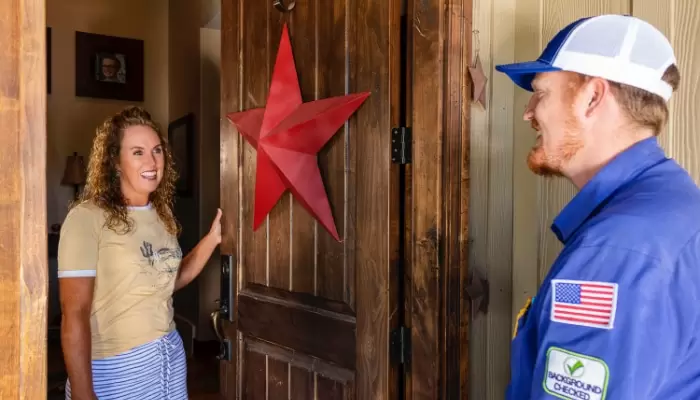
Scheduling is straightforward. The office books a window that respects commute patterns and school pickups. A text heads-up confirms the visit. The technician arrives in a marked vehicle, reviews the plan, and starts with safety. The tune includes the altitude-focused steps described above and ends with a digital report. If parts are recommended, the tech explains cost and risk trade-offs so the homeowner can decide with context.
Map Pack Signals and Why Local Matters
Google’s Map Pack rewards consistent local service data and a strong record of satisfied clients. Western Heating, Air & Plumbing maintains consistent business information and serves a concentrated Sandy client base. That helps neighbors find service fast when heat waves hit. After a visit, leaving a review that mentions the neighborhood, such as Hidden Valley or Dimple Dell, also supports local visibility and helps other homeowners choose with confidence.
AC Maintenance in Sandy, UT That Balances Performance and Cost
Seasonal altitude tuning is about balance. It aligns engineering realities with Sandy’s specific climate. It trims energy spend without guesswork. It shields equipment from dust and heat stress. It keeps warranties intact and homes comfortable through the Wasatch summer. For homeowners and businesses near State Street, along Alta View, or up against the canyons, the method is proven and local.
Schedule AC Maintenance Sandy, UT | Western Heating, Air & Plumbing
Ready for a precision HVAC tune-up before the next heat wave. Western Heating, Air & Plumbing serves Sandy with NATE and RMGA-certified technicians and EPA Section 608 compliance. The team services Lennox, Carrier, Trane, Rheem, Goodman, Bryant, York, and Mitsubishi systems. Seasonal cooling inspections include multi-point precision checks, condenser coil power washing, refrigerant verification for R-410A, blower motor lubrication, heat exchanger safety checks for dual fuel, and amp draw testing.
Book online or call to secure a slot that fits your week. Ask about Annual Maintenance Plans, 2026 SEER2 compliance checks, and priority service status. Mention your neighborhood, whether Dimple Dell, Hidden Valley, Alta View, or near Sandy City Center, so routing is efficient. If comfort is unstable, if bills are high, or if the condenser looks dusty from canyon winds, schedule now. Summer does not wait.
Call Western Heating, Air & Plumbing today. Request your seasonal altitude tuning and protect your cooling investment in Sandy, UT. Your system will run smoother. Your bill will make more sense. Your summer will feel right.
Western Heating, Air & Plumbing provides HVAC and plumbing services for homeowners and businesses across Sandy and the surrounding Utah communities. Since 1995, our team has handled heating and cooling installation, repair, and upkeep, along with ductwork, water heaters, drains, and general plumbing needs. We offer dependable service, honest guidance, and emergency support when problems can’t wait. As a family-operated company, we work to keep your space comfortable, safe, and running smoothly—backed by thousands of positive reviews from satisfied customers.
Western Heating, Air & Plumbing
9192 S 300 W
Sandy,
UT
84070,
USA
231 E 400 S Unit 104C
Salt Lake City,
UT
84111,
USA
Phone: (385) 233-9556
Website: https://westernheatingair.com/, Furnace Services
Social Media:
Instagram |
Facebook |
BBB
Map: View on Google Maps