<!DOCTYPE html>
AC Maintenance Sandy, UT | Professional HVAC Tune-Ups
Beat the Heat: Why Sandy Homeowners Choose Precision AC Maintenance Before Peak Summer
Western Heating, Air & Plumbing serves Sandy, UT and greater Salt Lake County with NATE and RMGA certified technicians who understand high-altitude cooling, Wasatch dust, and the demands of the Wasatch Front. This article explains why AC maintenance in Sandy, UT pays off before summer spikes, what the service includes, and how it protects homes from Dimple Dell to Hidden Valley and the State Street corridor.
Why Sandy’s climate is hard on AC systems
Sandy sits at about 4,400 feet. The air is thinner and dryer than sea level cities. That matters to compressors, blower motors, and refrigerant circuits. The city rests at the base of the Wasatch Mountains, near Little Cottonwood Canyon. Canyon winds push granite dust, pollen, and mountain debris into outdoor condenser coils. This “Wasatch dust” packs into fins. Airflow drops. Head pressure rises. Compressors run hot under load. That is the start of poor cooling and early failures.
The climate is high-desert. Humidity runs low for long stretches. Lubrication in blower bearings dries out faster. Motor bushings make noise and drag. Amp draw climbs. Windings run hotter than design. Electrical parts see more stress as day and night temperatures swing hard in July. That swing is brutal on capacitors and contactors. The result is short cycling, slow starts, or dead starts on the first heatwave.
At elevation, refrigerant mass flow changes. A system charged to a rule-of-thumb at sea level can miss design targets in Sandy. Subcool and superheat need real measurement and adjustment. Fixed orifice or TXV behavior shifts with pressure differential. Without a seasonal HVAC tune-up, the system may cool the house, but it will use more energy and wear faster. Most homeowners only notice it as a high Rocky Mountain Power bill and rooms that never feel quite right on the top floor.
AC maintenance in Sandy, UT that accounts for altitude, dust, and daily load
Western Heating, Air & Plumbing performs a multi-point precision inspection and tune-up that targets mountain dust, arid wear, and high-altitude performance. The focus is energy efficiency calibration, airflow, and electrical reliability. The team supports Lennox, Carrier, Trane, Rheem, Goodman, Bryant, York, and Mitsubishi mini-splits. Technicians hold NATE and EPA Section 608 credentials. Gas-related checks for dual fuel systems follow RMGA standards.
The service begins with a site walk. The technician looks at the home’s exposure. Is the outdoor unit on the windward side near Little Cottonwood Canyon gusts. Is it shaded in the afternoon. Is landscaping blocking the coil intake. Next comes data from the nameplate, filter size, duct layout, and return grille count. Many Sandy homes near Alta View and Dimple Dell have additions. Additions often strain the original return and supply ducts. The tune-up accounts for this before any readings are taken.
The Sandy Maintenance Protocol: what gets checked and tuned
A seasonal cooling inspection is not a quick spray and go. It is a measured sequence that addresses the most common Wasatch Front failure points and the known dust load that hits Sandy each spring and early summer. It also sets the system for SEER2-compliant performance as 2026 standards become normal across Utah replacements. Documentation supports manufacturer warranty retention for brands like Lennox and Carrier.
Core tasks that move the needle
Every system and home is different. But in Sandy, these tasks deliver reliable gains and lower bills:
- Condenser coil power washing to clear granite dust from fins and restore airflow.
- Refrigerant charge verification with R-410A, using target subcool and superheat for elevation.
- Electrical audit with capacitor microfarad testing, contactor inspection, and amp draw checks.
- Blower assembly service with lubrication where applicable and ECM calibration for proper CFM per ton.
- Static pressure testing and filter/duct review to correct high resistance common in additions.
On dual fuel systems, the technician also performs a heat exchanger safety check. This confirms no cracks or combustion issues before the cooling season runs full time. In hybrid setups, the changeover threshold is tested. It is common to see poor setpoints on newer developments in Sandy. That setting can waste power in shoulder seasons. A few adjustments cut runtime and improve comfort across spring and fall.
What the dust does to your condenser, in detail
“Wasatch dust” is not soft. It includes granite fines from canyon gusts and silica from construction. The particle shape wedges into aluminum fins and resists light rinsing. Once embedded, it creates an insulating layer that traps heat in the coil. Head pressure climbs. The compressor pulls more current to do the same work. On a hot July day, that extra strain turns into nuisance trips or worse, a locked rotor event.
A proper coil service in Sandy means more than a garden hose. The technician isolates electrical components, then applies a coil-safe detergent. Contact time matters. The wash rinses from the inside out to push debris out of the fin pack. Water pressure must be controlled to avoid fin fold-over. After that, the tech checks fin alignment with a comb where needed. Expect a measurable drop in condensing temperature after a correct cleaning.
For mini-splits from Mitsubishi or other brands, outdoor coils load up fast in spring winds. The service includes careful panel removal, fan blade cleaning, and coil flushing. Many homeowners notice lower outdoor unit noise right after. That is airflow restored and the fan no longer fighting a clogged intake screen.
High-altitude tuning: airflow, refrigerant, and fan laws made simple
At about 4,400 feet, air density is lower than sea level. A blower set for 400 CFM per ton at sea level will move less mass flow here if left unchanged. The technician measures total external static pressure with a manometer. Then blower speed taps or ECM profiles are set to hit the target CFM for the home’s duct system. The aim is enough airflow to match the coil and metering device, without noise or comfort issues in bedrooms on the second floor.
Refrigerant charge is checked with a digital manifold. Subcool and superheat targets account for outdoor dry-bulb and indoor wet-bulb readings. At elevation, the relationship between pressure and saturation temperature changes. This is why a line pressure number alone can mislead. The technician verifies the charge by temperature-based methods and confirms with system performance data. The goal is stable evaporator temperatures and coil frosting margin under peak load, not a number that looks familiar from sea level charts.
Fan affinity laws apply. Small increases in speed can spike amp draw. The tune-up balances CFM against motor heating and duct resistance. If static pressure is high, the technician may recommend a better filter media or a return upgrade. Many Sandy homes in 84093 and 84094 still use restrictive one-inch filters at multiple returns. A switch to a high area media cabinet can drop static by a third or more. That change reduces blower watt draw and brings room temperatures into tighter control on the west side of the home.
Electrical reliability under Utah heat: capacitors, contactors, and wiring
The most common summer call in Sandy is failed capacitors. Temperature swings and heat load push the dielectric hard. Capacitance drifts down before it fails. A five to ten percent drop raises motor heat and starts slow starts. The maintenance includes microfarad testing under load and replacement when readings fall outside spec. Contactors get pitted from arcing. The technician inspects the face and checks spring tension. Loose lugs get tightened and burnt spade connectors replaced. Amp draw is measured against nameplate on compressor and fan circuits. These steps prevent short cycling and nuisance trips right when the family needs cooling in the afternoon.
On systems near Little Cottonwood Canyon, wind-driven dust gets inside electrical panels. The service includes gentle vacuuming and a look for insect nests. A found wasp nest on a contactor coil can keep the unit from starting on a 100-degree day. It sounds trivial until the system fails on the hottest weekend. Prevention is cheaper than an emergency visit during a heatwave.
Indoor performance: blower, evaporator coil, and drainage
The blower assembly sees two threats in Sandy. Dry bearings and dust infiltration. Where the motor has oil ports, the tech adds the correct lubricant. Many ECM motors are sealed, so the check is about sound, endplay, and temperature rise. The wheel often needs a cleaning. Dirt on blades reduces air delivery by a surprising margin. The evaporator coil is inspected for bio-growth and impacted fins. A dirty coil starves the system of airflow. Superheat skews and comfort drops. Drainage is checked and cleared. A slow drain pan in July can flood a basement finish near Hidden Valley. A quick flush and a clean trap head it off.
Mini-split heads in Sandy condos along State Street collect fine dust on filters fast. That dust loads the coil face and the blower barrel. The tech pulls the cover, washes the filter, and cleans the wheel. Homeowners usually notice a big recovery in airflow. Rooms hit setpoint faster. The indoor fan runs quieter.
Energy savings that show up on the Rocky Mountain Power bill
Small inefficiencies add up. A dirty condenser raises condensing temperature. Each 10-degree rise can increase power draw by several percent. A blower set one speed too low produces low coil temperature and a risk of frost, which forces longer cycles. A weak capacitor drags a compressor on every start. After a full tune-up, Sandy homeowners often see 10 to 20 percent lower kWh use in peak months compared to a neglected system. The exact number varies by system age, duct layout, and usage patterns, but the trend is clear on the bill by August.
Western Heating, Air & Plumbing also checks thermostat settings. Short, aggressive setbacks can cause long recovery runs on late afternoons. Gentle setbacks and smart schedules work better in the high-desert climate. The tech can walk through best settings for upstairs and main floor zones. For homes with east and west solar gain differences, a slight fan circulation schedule can even room temperatures and reduce runtime during the hottest two hours of the day.
Warranty validation and SEER2 compliance checks
Major manufacturers such as Lennox, Carrier, Trane, Bryant, Rheem, Goodman, York, and Mitsubishi require documented annual maintenance to keep parts warranties valid. The service includes digital reports with photos, readings, and notes. That record protects the homeowner if a compressor or ECM module fails during the coverage term. It also shows a buyer that the system received professional care, which can help during a home sale.
SEER2 standards shift testing methods to reflect external static pressure more accurately. Many replacements in 2026 and beyond will reference SEER2 values. Western Heating, Air & Plumbing verifies airflow, static, and charge to keep installed equipment performing close to listed values under real-world duct restrictions. That approach is especially important in Sandy, where high return resistance and altitude can trim delivered capacity if left untuned.
Neighborhood focus across Sandy zip codes
Service areas include 84070, 84090, 84091, 34092, 84093, and 84094. The team works daily across Sandy City Center, the State Street corridor, Alta View, Dimple Dell, Hidden Valley, and the neighborhoods close to Little Cottonwood Canyon. Homes on the bench see stronger canyon winds. Outdoor units there receive deeper coil services due to heavier dust load. Lower elevation pockets along State Street often suffer from traffic grime and cottonwood fluff clogging coils each spring. Each area has a pattern. The maintenance adjusts for that pattern instead of using a one-size approach.
Many Hidden Valley homes have larger footprints and multi-system setups. Balancing airflow between levels and calibrating each condenser keeps upstairs bedrooms cool past sunset. Townhomes near the TRAX line often use Mitsubishi or similar mini-split systems. Those systems need careful cleaning of small outdoor coils and indoor blower barrels. The team has parts on trucks for common service parts across these brands. That speeds up the visit and reduces return trips.
Commercial and light commercial tune-ups along State Street
Small offices, retail, and gyms along the State Street corridor face heavy door traffic and high particulate load. Rooftop units collect dust and heat from black membrane roofs. Western Heating, Air & Plumbing applies the same inspection approach. Coils are washed, belts are checked, filters are sized for the load, and economizer function is verified where installed. Amp draw trends are recorded to flag bearings before a failure during July hours. Many business owners schedule spring and fall visits to avoid downtime. Priority service status is available through annual maintenance plans.
How AC maintenance prevents the most common Sandy failures
Capacitor failure leads peak season calls. The tune-up catches drift and heat stress before the first 100-degree day. Short cycling often traces back to dirty coils, low charge, or a sticky contactor. Each item is part of the inspection. High summer utility bills usually track with high head pressure and poor airflow. The coil wash and airflow setpoint adjustments cut that waste in one visit. Dry bearings and weak blower performance come from arid air and dust. Lubrication and cleaning return the motor to proper load. Refrigerant leaks do show up. Early detection during a seasonal visit saves money on a later compressor changeout.
Dual fuel homes in Sandy need an extra look at changeover setpoints. A wrong lockout can pull heat from the heat pump too low into the cold season. That ruins comfort and raises bills. The maintenance checks this logic and confirms a safe heat exchanger in the gas furnace mode.
Simple signs it is time to schedule AC maintenance
Homeowners often sense a problem before the first fail. These are the most common signals heard from Sandy clients before a tune-up:
- Rooms near west-facing windows never cool in late afternoon.
- Outdoor unit runs louder than last year and seems hot to the touch.
- Utility bill jumped 15 to 30 percent over last July with similar use.
- Short starts and stops, or the thermostat shows long run times.
- Dust on indoor surfaces builds fast and vents look dirty.
If these sound familiar in 84070, 84093, or near Alta View, a seasonal HVAC tune-up will likely pay for itself during the first hot month.
What Western Heating, Air & Plumbing brings to the visit
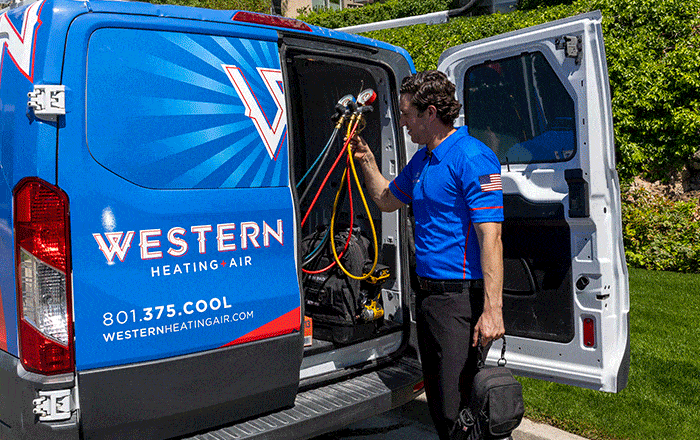
The company invests in accurate tools. Digital manifolds with temperature compensation. Calibrated manometers for static pressure. Thermal imaging to spot motor heat rise. Recover machines and micron gauges for sealed system work. EPA Section 608 certified techs handle R-410A safely. NATE credentials confirm training that matches today’s systems. RMGA certification covers gas safety on dual fuel packages. The process is clean and careful. Drop cloths go down. Panels return with proper screws. The report includes photos and readings. Homeowners learn what changed and why the system now runs smoother.
Annual maintenance plans offer value. Members receive priority service status during peak heat. That means front-of-the-line attention when Utah hits a heatwave. Plans include reminders in spring, so the system gets serviced before dust and pollen peak. The result is quiet, steady cooling through July and August in Sandy’s high-desert climate.
SEER2, airflow, and the reality of older ductwork
Even with a high-SEER2 condenser, performance drops if ductwork is tight. Many homes in Sandy have older returns with sharp turns and small grilles. Static pressure climbs. The blower runs hot and loud. Tuning during maintenance can help. It cannot erase a duct bottleneck. The report may show a recommendation for a larger return, a media filter cabinet, or a new supply run to an upstairs room. Homeowners often choose staged upgrades. A better filter cabinet and a return grille change can deliver a clear improvement without a major remodel.
Western Heating, Air & Plumbing keeps recommendations practical. The team has seen what works in the Wasatch Front. A 3-ton system with a single 14x20 return will fight every July. Doubling the effective return area and setting the ECM profile for proper CFM stabilizes the system. Pair that with a clean outdoor coil and a verified charge. That trio avoids short cycling and keeps bedrooms in Hidden Valley steady past sunset.
Brand-specific notes for Sandy homeowners
Lennox units have tight fin spacing on many models. That delivers good heat transfer but packs dust sooner in Sandy. Plan on careful coil care each spring. Carrier and Bryant often share components. Capacitors and contactors on common models are stocked on service trucks for fast swaps. Trane and American Standard with spine fin coils shed dust well but benefit from a detergent soak when winds blow hard from the canyon. Rheem and Ruud condenser fan motors often show bearing noise after dry winters. Early lubrication or replacement prevents summer fails. Goodman and Amana systems often sit in side yards with heavy landscaping. Keep plantings trimmed back to maintain intake air. Mitsubishi mini-splits run long cycles at low speed. Dirty coils and barrels show up as lower air throw and rooms that drift warm by late afternoon. A deep clean brings them back quickly.
Across all brands, the maintenance report and photos document condition. That record supports warranty claims and helps plan for future upgrades when parts approach end of life.
Sandy homeowners share what changed after a spring tune-up
Homeowners near Dimple Dell often report that the outdoor unit sounds calmer after service. That is a strong sign of restored airflow. Families east of 1300 East mention better second-floor comfort at bedtime. That links to corrected blower speed and cleaner indoor coils. Along State Street, small businesses have seen fewer mid-afternoon outages in July after contactor and capacitor checks. In Alta View, where cottonwood fluff is heavy in spring, a pre-season coil wash stopped nuisance high-pressure trips on 95-degree days. These are common results across the city after a professional AC maintenance visit focused on Sandy’s conditions.
Cost context and timing
A seasonal HVAC tune-up costs less than an emergency call during a heatwave. The value stretches further when it catches a weakening capacitor or a high static issue. Replacing a compressor or an ECM blower is far more expensive than an annual visit. Timing matters. Early spring is best in Sandy. Pollen and dust levels rise fast in late spring. Booking before the rush gives better appointment windows and time to address any found issues before July loads hit.
For homeowners with rental properties in 84070 and 84094, documented maintenance also reduces tenant complaints during peak heat. Cooler, quieter operation reduces calls and protects the asset. The report provides proof of service if a repair becomes necessary later in the season.
How the visit wraps up
At the end of the appointment, the technician reviews photos, readings, and settings. Static pressure before and after. Microfarad readings and any parts replaced. Subcool and superheat targets and what the system hit under test. Notes about duct or filter upgrades that would add value. Homeowners leave with a clear picture of system health and the exact steps taken to raise performance for Sandy’s high-desert summer.
AC maintenance Sandy, UT: why it pays before peak summer
In Sandy, the environment stacks the deck against neglected systems. High altitude changes refrigerant behavior and airflow targets. Wasatch dust clogs coils. Dry air starves bearings. Temperature swings stress capacitors. A spring tune-up reverses those issues, cuts Rocky Mountain Power use, and stabilizes comfort in every room. It also meets warranty requirements and sets the system to perform near its SEER2 capability under real duct and elevation conditions. That is why so many Sandy homeowners schedule in April or May each year, before the first triple-digit week appears in the forecast.
Schedule AC maintenance with Western Heating, Air & Plumbing
Service areas include Sandy City Center, Dimple Dell, Hidden Valley, Alta View, the State Street corridor, and homes near Little Cottonwood Canyon. Technicians are NATE and RMGA certified and EPA Section 608 licensed. They service Lennox, Carrier, Trane, Rheem, Goodman, Bryant, York, and Mitsubishi mini-splits. Appointments come with digital reports and clear prices. Annual maintenance plans add priority service during Utah heatwaves and reminders that keep the system ready for summer.
Ready to set the system for a cooler, quieter July. Book AC maintenance in Sandy, UT today. Western Heating, Air & Plumbing will perform a high-altitude HVAC tune-up, clear Wasatch dust from coils, verify R-410A charge, measure static pressure, and calibrate blower speed for true comfort. Schedule online or call to request a visit for 84070, 84093, 84094, and nearby zip codes. Early bookings get the best times and the most value before the first heat spike.
Western Heating, Air & Plumbing provides HVAC and plumbing services for homeowners and businesses across Sandy and the surrounding Utah communities. Since 1995, our team has handled heating and cooling installation, repair, and upkeep, along with ductwork, water heaters, drains, and general plumbing needs. We offer dependable service, honest guidance, and emergency support when problems can’t wait. As a family-operated company, we work to keep your space comfortable, safe, and running smoothly—backed by thousands of positive reviews from satisfied customers.
Western Heating, Air & Plumbing
9192 S 300 W
Sandy,
UT
84070,
USA
231 E 400 S Unit 104C
Salt Lake City,
UT
84111,
USA
Phone: (385) 233-9556
Website: https://westernheatingair.com/, Furnace Services
Social Media:
Instagram |
Facebook |
BBB
Map: View on Google Maps